

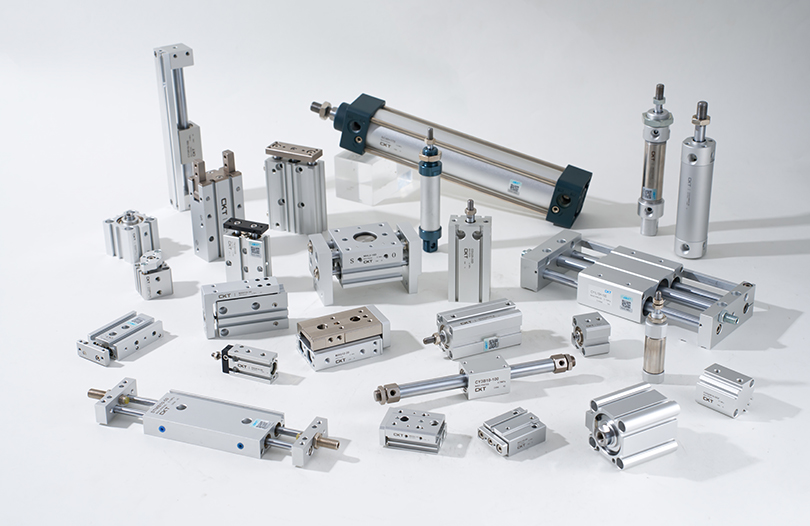

กระบอกลมนิวแมติกมีบทบาทอย่างไรในสายการผลิตอัตโนมัติของ Smart Manufacturing
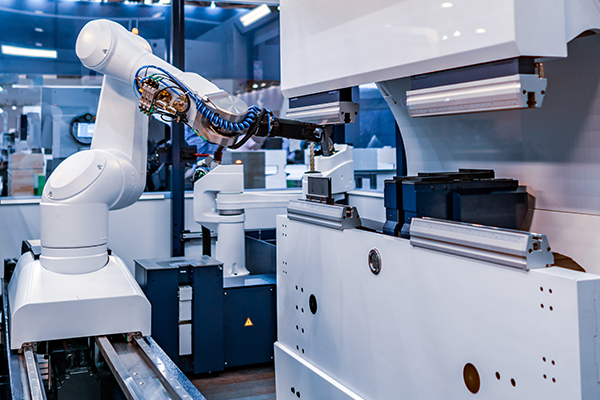
ในสายการผลิตอัตโนมัติของการผลิตอัจฉริยะ กระบอกลมนิวเมติก s serve as critical “motion execution components” that convert compressed air energy into linear or rotational mechanical motion—enabling essential tasks that drive continuous, precise production. Unlike manual or semi-automated systems, where human intervention is needed for movement control, กระบอกลมนิวเมติกs automate repetitive, high-precision actions such as material handling (e.g., lifting, pushing, or clamping raw materials/finished products), assembly (e.g., pressing components into place or fastening parts), and sorting (e.g., diverting products to different conveyor lanes). For example, in an automated electronics assembly line, Pneumatic Air Cylinders may clamp circuit boards in place during soldering, then push the finished boards to the next station—all without human input. Their reliability and speed make them a foundational element in smart manufacturing, where consistency and efficiency are core to minimizing downtime and maximizing output.
กระบอกลมนิวแมติกจะปรับตัวเข้ากับข้อกำหนดความเร็วสูงของสายการผลิตอัตโนมัติได้อย่างไร
Automated production lines in smart manufacturing often operate at high speeds (e.g., processing hundreds of parts per minute), and Pneumatic Air Cylinders adapt to this demand through three key design and performance features. First, fast response times: Pneumatic systems rely on compressed air, which flows quickly through pipelines to actuate the cylinder—unlike hydraulic systems that use slower-moving fluids. ซึ่งช่วยให้กระบอกลมนิวแมติกขยายหรือหดได้ในหน่วยมิลลิวินาที ซึ่งตรงกับรอบเวลาที่รวดเร็วของสายการผลิต ตัวอย่างเช่น ในสายการบรรจุ กระบอกสูบสามารถปิดผนึกบรรจุภัณฑ์และรีเซ็ตสำหรับบรรจุภัณฑ์ถัดไปได้ภายในเวลาไม่ถึงวินาที เพื่อให้ทันกับความเร็วของสายการผลิต Second, stable high-speed operation: Advanced cylinder designs include features like cushioning mechanisms (e.g., adjustable air cushions at the end of the cylinder stroke) that absorb impact during rapid extension/retraction. ซึ่งจะช่วยป้องกันความเสียหายต่อกระบอกสูบหรือผลิตภัณฑ์ที่กระบอกสูบทำให้มั่นใจถึงประสิทธิภาพที่สม่ำเสมอแม้ที่ความเร็วสูง Third, compatibility with high-flow air systems: Pneumatic Air Cylinders can be paired with high-capacity air compressors and large-diameter air hoses, which deliver the volume of compressed air needed to maintain speed during continuous operation. วิธีนี้จะหลีกเลี่ยงไม่ให้แรงดันตกซึ่งจะทำให้กระบอกสูบทำงานช้าลง แม้ว่ากระบอกสูบหลายกระบอกจะทำงานพร้อมกันบนท่อก็ตาม
ถังลมนิวแมติกทำงานร่วมกับระบบควบคุมอัจฉริยะในสายการผลิตอัตโนมัติได้อย่างไร
การบูรณาการเข้ากับระบบควบคุมอัจฉริยะถือเป็นสิ่งสำคัญสำหรับ กระบอกลมนิวเมติก เพื่อทำงานในสภาพแวดล้อมการผลิตอัจฉริยะที่เชื่อมต่อกันและขับเคลื่อนด้วยข้อมูล และบรรลุเป้าหมายนี้ด้วยสองวิธีหลัก ประการแรก การผสานรวมเซ็นเซอร์: ถังลมนิวแมติกสมัยใหม่มีเซ็นเซอร์ในตัว (เช่น เซ็นเซอร์ตำแหน่ง เซ็นเซอร์ความดัน หรือเซ็นเซอร์อุณหภูมิ) ซึ่งรวบรวมข้อมูลแบบเรียลไทม์เกี่ยวกับสถานะของกระบอกสูบ Position sensors, for example, detect when the cylinder has fully extended or retracted, sending a signal to the line’s central control system (e.g., a PLC or industrial IoT platform) to confirm the action is complete. ซึ่งช่วยให้ระบบควบคุมประสานการเคลื่อนที่ของกระบอกสูบกับส่วนประกอบไลน์อื่นๆ (เช่น การส่งสัญญาณให้สายพานลำเลียงเริ่มเคลื่อนที่เมื่อกระบอกสูบวางชิ้นส่วนแล้ว) Second, programmable operation: Pneumatic Air Cylinders can be connected to programmable logic controllers (PLCs) or industrial computers, allowing operators to set and adjust parameters such as stroke length, speed, and force via software. ตัวอย่างเช่น หากสายการผลิตเปลี่ยนจากการประมวลผลชิ้นส่วนขนาดเล็กไปเป็นชิ้นส่วนขนาดใหญ่ ระบบควบคุมสามารถตั้งโปรแกรมกระบอกสูบใหม่จากระยะไกลเพื่อขยายเพิ่มเติมหรือใช้แรงจับยึดมากขึ้น ซึ่งช่วยลดความจำเป็นในการปรับเปลี่ยนด้วยตนเองและลดเวลาการเปลี่ยน การบูรณาการนี้เปลี่ยนกระบอกสูบแบบสแตนด์อโลนให้เป็น "ส่วนประกอบอัจฉริยะ" ซึ่งมีส่วนช่วยในการเชื่อมต่อและความยืดหยุ่นโดยรวมของสายการผลิต
กระบอกลมนิวแมติกจะปรับตัวเข้ากับความต้องการด้านความยืดหยุ่นของการผลิตตามสั่งในการผลิตอัจฉริยะได้อย่างไร
Smart manufacturing increasingly focuses on “mass customization”—producing small batches of tailored products—and Pneumatic Air Cylinders adapt to this flexibility through three design and functional features. First, modular construction: Many Pneumatic Air Cylinders use a modular design, where components like end caps, sensors, and mounting brackets can be easily swapped or added without replacing the entire cylinder. For example, if a production line needs to switch from lifting parts vertically to pushing them horizontally, operators can replace the cylinder’s mounting bracket and add a different end effector (e.g., a push plate instead of a clamp) in minutes. ประการที่สอง พารามิเตอร์ที่ปรับได้: ดังที่กล่าวไว้ข้างต้น ความยาวช่วงชักของกระบอกสูบ ความเร็ว และแรงสามารถตั้งโปรแกรมใหม่ได้ผ่านระบบควบคุมของไลน์ ซึ่งหมายความว่ากระบอกสูบเดียวกันสามารถรับมือกับงานที่แตกต่างกันได้ เช่น การใช้แรงเบาในการประกอบอุปกรณ์อิเล็กทรอนิกส์ที่ละเอียดอ่อนหนึ่งชั่วโมง จากนั้นจึงใช้แรงที่สูงขึ้นเพื่อยึดส่วนประกอบที่เป็นโลหะในขั้นตอนถัดไป โดยไม่ต้องดัดแปลงทางกายภาพ Third, compatibility with flexible end effectors: Pneumatic Air Cylinders can be paired with a range of interchangeable end effectors (e.g., grippers, suction cups, or pushers) that are designed for specific tasks. For instance, a cylinder with a suction cup end effector can pick up flat products like cardboard boxes, while the same cylinder with a two-finger gripper can handle irregularly shaped plastic parts. ความสามารถในการปรับตัวนี้ช่วยให้สายการผลิตอัตโนมัติสามารถสลับระหว่างประเภทผลิตภัณฑ์ได้อย่างรวดเร็ว รองรับการปรับแต่งโดยไม่ทำให้ประสิทธิภาพลดลง
อะไรคือปัจจัยสำคัญหลักที่ต้องพิจารณาเมื่อเลือกกระบอกลมแบบนิวแมติกสำหรับสายการผลิตอัตโนมัติ
การเลือกกระบอกลมนิวแมติกที่เหมาะสมสำหรับสายการผลิตแบบอัตโนมัติจำเป็นต้องมีการประเมินปัจจัยสี่ประการที่ไม่สามารถต่อรองได้เพื่อให้แน่ใจว่าสอดคล้องกับความต้องการของสายการผลิต First, load and force requirements: The cylinder must generate enough force to perform its intended task (e.g., lifting a 50kg part or clamping a component with 100N of force) without overloading. กระบอกสูบได้รับการจัดอันดับตามขนาดรู (รูที่ใหญ่กว่าจะสร้างแรงได้มากกว่า) และแรงดันใช้งาน ดังนั้นให้คำนวณแรงที่ต้องการก่อนเพื่อเลือกระดับรูและแรงดันที่เหมาะสม ประการที่สอง ความยาวระยะชักและพื้นที่การติดตั้ง: ความยาวระยะชักของกระบอกสูบ (ระยะทางที่สามารถขยาย/หดได้) จะต้องตรงกับความต้องการของงาน เช่น ระยะชัก 100 มม. อาจเพียงพอสำหรับการดันชิ้นส่วนขนาดเล็ก ในขณะที่ต้องใช้ระยะชัก 500 มม. สำหรับการยกชิ้นส่วนขึ้นบนสายพานลำเลียงสูง นอกจากนี้ ให้พิจารณาพื้นที่ทางกายภาพของสายการผลิต: กระบอกสูบขนาดกะทัดรัด (เช่น กระบอกสูบแบบบางหรือแบบไม่มีก้าน) เหมาะอย่างยิ่งสำหรับพื้นที่แคบ ในขณะที่กระบอกสูบมาตรฐานทำงานในพื้นที่ขนาดใหญ่ ประการที่สาม ความเข้ากันได้ด้านสิ่งแวดล้อม: สายการผลิตอัตโนมัติอาจทำงานในสภาพแวดล้อมที่รุนแรง (เช่น โรงงานที่เต็มไปด้วยฝุ่น โรงงานแปรรูปอาหารเปียก หรือพื้นที่เชื่อมที่มีอุณหภูมิสูง) เลือกกระบอกสูบที่มีคุณสมบัติป้องกัน เช่น การเคลือบป้องกันการกัดกร่อน (สำหรับพื้นที่เปียก/ชื้น) ซีลกันฝุ่น (สำหรับสภาพแวดล้อมที่มีฝุ่น) หรือซีลอุณหภูมิสูง (สำหรับงานที่ใช้ความร้อนสูง) เพื่อให้มั่นใจถึงความทนทาน ประการที่สี่ ความเข้ากันได้กับระบบควบคุมและเซ็นเซอร์: กระบอกสูบต้องทำงานร่วมกับระบบควบคุมที่มีอยู่ของสายการผลิต (เช่น PLC, แพลตฟอร์ม IoT) และรองรับเซ็นเซอร์ที่จำเป็น (เช่น ตำแหน่ง ความดัน) Ensure the cylinder has the necessary electrical interfaces (e.g., M12 connectors for sensors) and communication protocols (e.g., Modbus or Ethernet/IP) to integrate seamlessly into the smart line.
จะสร้างสมดุลระหว่างประสิทธิภาพและต้นทุนเมื่อเลือกกระบอกลมสำหรับสายการผลิตอัตโนมัติได้อย่างไร
การสร้างสมดุลระหว่างประสิทธิภาพ (เพื่อตอบสนองความต้องการของสายการผลิต) และต้นทุน (เพื่อหลีกเลี่ยงการใช้จ่ายเกิน) ต้องใช้แนวทางเชิงกลยุทธ์ที่เน้นการใช้งานเป็นหลัก First, prioritize essential features: Identify the non-negotiable performance requirements (e.g., force, speed, environmental resistance) and avoid paying for unnecessary features. ตัวอย่างเช่น กระบอกสูบที่ใช้ในสายการบรรจุที่สะอาดและความเร็วต่ำอาจไม่ต้องการความต้านทานต่ออุณหภูมิสูงหรือเวลาตอบสนองที่รวดเร็วเป็นพิเศษ การเลือกใช้รุ่นพื้นฐานที่มีเซ็นเซอร์ที่จำเป็นเท่านั้นสามารถลดต้นทุนได้โดยไม่กระทบต่อประสิทธิภาพการทำงาน Second, consider total lifecycle cost, not just upfront price: A cheaper cylinder may have a shorter lifespan (e.g., due to low-quality seals that wear out quickly) or require frequent maintenance, leading to higher long-term costs (downtime, replacement parts, labor). Instead, choose a cylinder with durable materials (e.g., aluminum or stainless steel bodies) and reliable components—even if it has a higher upfront cost—since it will require less maintenance and last longer. ประการที่สาม ปรับขนาดกระบอกสูบให้เหมาะสม: กระบอกสูบขนาดใหญ่ (เช่น กระบอกสูบขนาดใหญ่ที่ใช้สำหรับงานน้ำหนักเบา) สิ้นเปลืองพลังงาน (โดยต้องใช้อากาศอัดมากขึ้น) และใช้พื้นที่โดยไม่จำเป็น ส่งผลให้ต้นทุนการดำเนินงานเพิ่มขึ้น คำนวณแรงและระยะชักที่ต้องการ จากนั้นเลือกกระบอกสูบที่เล็กที่สุดที่ตรงตามข้อกำหนดเหล่านั้นเพื่อลดการใช้พลังงานและต้นทุนให้เหลือน้อยที่สุด ประการที่สี่ ใช้ประโยชน์จากมาตรฐาน: เมื่อเป็นไปได้ ให้เลือกกระบอกสูบที่มีขนาดและอินเทอร์เฟซมาตรฐาน (เช่น ขนาดรูมาตรฐาน ISO หรือขั้วต่อเซ็นเซอร์ทั่วไป) กระบอกสูบมาตรฐานมักจะมีราคาไม่แพงกว่ารุ่นที่กำหนดเอง และเปลี่ยนได้ง่ายกว่า ซึ่งช่วยลดค่าบำรุงรักษาและการหยุดทำงาน ด้วยการมุ่งเน้นไปที่ปัจจัยเหล่านี้ ผู้ผลิตสามารถเลือกกระบอกลมนิวเมติกที่ให้ประสิทธิภาพตามที่ต้องการในราคาที่สมเหตุสมผล